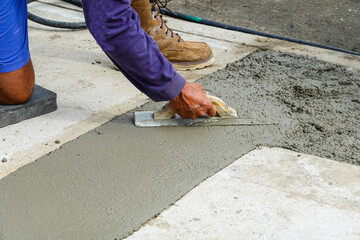
5 Benefits of Using Concrete for Your Home Construction Project

Concrete

Residential construction encompasses a variety of structures built for habitation. Builders often choose different building materials, depending on factors like cost, engineering requirements and equipment needs.

One material that is becoming more popular in residential construction is concrete. GK Construction Solutions highlights how using concrete can help save money and energy in the long run while also providing many amazing benefits.

1. Strength

Whether it’s footings or foundations, concrete is a strong choice for your home construction project. It’s able to support heavy loads without cracking or damaging, even in extreme weather conditions. Concrete is also impervious to rot, which can destroy wood structures over time.

Concrete’s strength is based on its composition: cement acts as the binder, while water and aggregates like gravel and sand provide structural support. The mix is carefully proportioned to achieve specific strengths and consistency for each type of application. A key component in concrete’s strength is its poisson’s ratio, a measure of the material’s ability to resist tensile stress. During the curing process, the concrete is kept damp to prevent premature tensile stresses and reduce shrinkage.

Due to their innate fire resistance, concrete buildings can save homeowners significant money on insurance costs in the event of a disaster. Likewise, concrete’s natural insulating properties save on energy costs for heating and cooling homes.

With all of these benefits, it’s no surprise that concrete is becoming a popular construction material for homes. Its versatility and low maintenance demands make it a great choice for many modern architectural designs.

While some builders may find the appearance of concrete to be cold or Brutalist, it is possible to dress up concrete with innovative facades and other materials that enhance its aesthetic. Furthermore, with proper precautions, handling and mixing concrete is relatively safe.

2. Durability

Concrete resists degradation by water and fire, making it a good choice for structures near bodies of water or in high-fire risk areas. Concrete is also not prone to wood rot or mold. This means fewer repairs, lower maintenance costs and a longer-lasting home.

In addition, concrete walls provide excellent sound insulation. This means a more quiet and peaceful home environment without the outside noises of busy traffic or loud neighbors. Concrete also reduces outside vibrations, preventing the transmission of unwanted vibrations into the house.

Whether you are building a foundation or segmental retaining wall, concrete can be used in many different projects to meet your home construction needs. Using concrete for your next project will add durability, strength and value to your property.

Homeowners are choosing concrete more and more often as a primary building material, with a variety of benefits including energy-efficiency, safety, low maintenance, and environmental sustainability. The versatility of concrete and its cost make it an ideal option for new homes or renovations.

The strength of concrete is largely determined by the quality and ratio of aggregate, cement, and water. It is important to regularly check the strength and moisture of your concrete for problems like weak mixes or improper curing, which can lead to cracks. A simple test with a pressure gauge or moisture meter can help you save money by catching problems early.

Concrete is also a healthy alternative to traditional wood-frame homes, as it resists mold and mildew, which can trigger asthma and other respiratory issues. Concrete walls also block airborne pollutants, reducing the amount of toxins in the home. Additionally, concrete emits less volatile organic compounds (VOC) than wood. These VOCs can cause irritation to the nose, throat, eyes, and skin.

3. Energy Efficiency

Concrete is an energy-efficient building material, with insulated concrete forms (ICF) helping to reduce air infiltration and create a tight seal. This helps to cut energy costs by reducing heating and cooling bills, which in turn cuts energy waste. Concrete is also an eco-friendly option because it requires less energy to produce than other building materials such as wood and steel, resulting in a reduced carbon footprint from start to finish.

In addition, concrete’s thermal mass properties allow it to absorb and store heat, allowing buildings to stay cooler in the summer and warmer in the winter. This reduces the need for costly HVAC systems, making it an ideal choice for environmentally conscious homeowners.

Homes constructed of concrete are also safer. Concrete resists fire better than other materials, and is able to withstand high temperatures without damaging the structure. This can save families money if they live in an area prone to wildfires or have a home in a high-risk earthquake zone.

Concrete is also a non-biodegradable material, so it won’t rot or attract pests such as termites or ants. This makes it a great choice for exteriors, as well as interiors, as there is no need to protect the structure with a preservative. Additionally, unlike wood, concrete does not rust or corrode. This allows homeowners to keep their concrete structures looking new for years to come.

4. Green/Sustainable

Concrete is a sustainable and environmentally friendly construction material, as it can be produced with local materials and creates minimal waste during the production process. Moreover, it requires less energy to heat and cool compared to wood houses and can last for a longer period of time, thereby saving builders money on maintenance and repairs.

Concrete also resists fire and water, so it is a good choice for structures near bodies of water or high-fire risk areas. In addition, it doesn’t corrode like steel and won’t rot like wood, making it suitable for use in waterfront or marine construction projects.

Additionally, the natural elements in concrete are durable against abrasion and erosion. The primary binder in concrete, calcium silicate hydrate, can withstand high temperatures and endures damage from flames for hours. The non-combustible nature of concrete helps to prevent house fires and slows the spread of flames, allowing families to evacuate their homes faster and often only require appliance and furniture replacement after a fire.

Another green advantage of concrete is its ability to be recycled after the structure has been demolished or repurposed. Industrial and other recyclable wastes can be substituted for aggregate materials, reducing the amount of waste that ends up in landfills. Additionally, concrete can be crushed and used as a sub-base for new buildings and to reinforce shorelines.

In addition, builders can save on insurance premiums and maintenance costs by constructing homes using concrete. Furthermore, when a concrete home is constructed with Insulated Concrete Forms (ICFs), the airtight insulation can save homeowners up to 25% in annual heating and cooling bills compared to standard stick-built houses.

5. Low Maintenance

Concrete is an extremely low-maintenance material, and it doesn’t require any special chemicals or methods for cleaning. When properly maintained, a concrete structure can last for decades without the need for any replacements or repairs. This long lifespan can help you save on maintenance costs and protect your investment.

Concrete can be used for a wide variety of construction projects, including driveways, sidewalks, retaining walls, and pools. It’s also often used in construction of mid-rise and high-rise buildings because it has the strength to withstand earthquakes and natural disasters, such as hurricanes and tornadoes.

Because of its low-maintenance benefits, concrete is an ideal choice for homes and buildings. It can be molded into any shape or size, and it can be poured and set quickly on-site, improving time efficiency for builders. Additionally, concrete does not need to be exposed to an ideal temperature during the construction process and can be constructed in many different weather conditions.

In addition, a concrete home is completely resistant to wood-eating insects, like termites and beetles. This eliminates the need for chemical treatments, and can save you a lot of money over the life of your home.

Concrete houses can also be designed to look just like traditional homes, making them an excellent option for homeowners who are concerned about aesthetics. Additionally, concrete homes offer many more benefits than other types of housing, such as lower energy bills and increased security. They can also provide protection from fires, severe weather, and break-ins. This can lead to savings on insurance, as well as reduced utility and maintenance expenses.

Steel Stairs and Railings

Stair railings are critical safety features, but they also add a unique touch to any home design. Choose a style that matches your aesthetic and consult a professional for the best results.

Railings

Stainless steel railings with glass, bar, cable or metal plate infills offer a modern look. They’re a popular choice for balconies, decks and outdoor spaces where maintaining views is important. Keep reading the article below to learn more about Steel Stairs and Railings.

When it comes to strength, steel stair railings are a top choice for both exterior and interior spaces. These railings offer safety and support while making a statement as a design element. They can also help to create a sense of space and light in areas with fewer windows. They are especially popular for modern and industrial designs, as well as for outdoor spaces like balconies and decks.

Stair railings are important safety features, particularly in high-traffic areas. They can help prevent accidents, and they provide stability for people who need assistance. For these reasons, they must be strong and durable enough to withstand frequent use. They must be capable of supporting people of all sizes, as well as the equipment they may be carrying.

Stainless steel offers exceptional strength for these applications. It is non-porous and does not absorb moisture or dirt, which makes it a great material for high-traffic areas. Additionally, it is easy to clean and sanitize. This combination of durability and ease of maintenance makes it a top choice for commercial buildings, condominiums, and apartments.

Another option for stair railings is aluminum. While it does not have as much strength as steel, it still holds up well under heavy loads. However, it does not resist corrosion as effectively as steel. This is especially important for areas that are exposed to salt or other chemicals.

Both types of metal stair railings are available in several styles, and each has its own benefits and disadvantages. For example, cable railings are a popular choice for contemporary and modern spaces. They are ideal for outdoor spaces because they do not obstruct views, and they are a great choice for staircases in open-plan homes or public buildings. However, they can be difficult to install and are not suitable for traditional or ornate design styles.

On the other hand, wrought iron railings have a timeless style that appeals to many homeowners. These railings can add a touch of elegance to any home, and they are often used in high-traffic areas. They can be made to look more classic or ornate depending on the style of the home, and they can also be painted or powder-coated in a variety of colors.

Durability

Steel stair railings are more durable than their aluminum counterparts and can hold up to heavy foot traffic. They also have a smooth, low-maintenance finish that resists corrosion and can be easily cleaned. This makes them a smart choice for areas prone to moisture or salt. They’re also a great option for homes with children or elderly members because they help prevent accidents from falling down stairs.

Homeowners are increasingly choosing steel elements to complement their living spaces. Steel stairways are popular options for modern open floor plans and lofts, as well as balconies, pool decks, and grill areas. They’re also a great complement to other metal elements in the home, such as metal lighting fixtures and appliances. When paired with wooden handrails, steel stairs can add an elegant look to the living space and make it more inviting.

Stainless steel railings are a great choice for basement stairways that often lead to kids’ play rooms or lounge areas. The stainless steel design is sturdy and durable enough to support the weight of adults, children, and equipment. Stainless steel is also water-resistant, which means that it will not rust. The material is also easy to clean, which makes it ideal for a handrail that comes into constant contact with hands and skin oils.

Another benefit of stainless steel stair railings is their resistance to fire. They’re naturally non-combustible, which makes them a good option for commercial or industrial spaces where safety and fire prevention are critical. In addition, these stairways can be treated with coatings that enhance slip resistance and increase safety.

Wooden stair railings add a traditional touch to any home, and they’re available in many different styles. However, they do have some drawbacks, including their higher maintenance requirements and increased cost. Stair railings made of wood must be re-stained and re-sealed on a regular basis to prevent deterioration, which can cause them to lose their appearance and functionality.

If you’re looking for a durable, stylish, and functional solution to your staircase and balcony needs, consider a steel stairway and railing system from Msusallc. They’re designed to be aesthetically appealing and meet the demands of various lifestyles.

Aesthetics

Stair railings represent the critical intersection of safety, building code requirements, and architectural enhancement. With a multitude of material options and design styles, you can transform your staircase into a stunning focal point that elevates the entire living space.

Metal railings offer a clean, contemporary aesthetic that pairs well with modern design elements and open floor plans. The durable material can also complement a variety of other metal features in your home, including kitchen appliances, grills, and balconies. If you opt for custom engraving, you can further customize your railing system to reflect the unique style of your home.

Steel stair railings are also available in a wide array of colors and finishes. A powder-coated finish is popular, as it offers a smooth surface that resists stains and corrosion. Stainless steel railings are non-porous and can be cleaned easily, making them ideal for high-traffic areas. This type of stair railing is also an excellent choice for outdoor spaces.

Wooden stair railings are classic choices that add warmth and character to any living space. They can be stained or painted, making them versatile enough to fit into traditional, rustic, and even modern designs. However, they may not be an appropriate option for homes with a tight budget as the material can be expensive.

A cable railing system combines innovation with functionality, using thin metal cables to create horizontal barriers that integrate seamlessly into your stairs. These systems require careful tensioning and periodic maintenance, but they can be an elegant accent to your staircase that emphasizes linear and angular lines.

When choosing a stair railing, consider the style of your home and how it will evolve over time. A timeless design in a quality material will enhance your property value and provide years of beauty and utility. Conversely, a trendy option may quickly date your home and detract from its overall resale value.

Stair railings are a major investment, so it’s important to choose a style that suits your lifestyle and matches your home’s architectural design. Experts can help you select the perfect railing for your home and guide you through installation. Professional consultation can be particularly helpful for projects involving structural modifications, curved stairs, or specialized materials.

Maintenance

In residential settings, steel staircases have been a popular choice for many homeowners. They are available in a wide variety of styles and can be used for both exterior and interior applications. These stairs and railings are durable, stylish, and offer excellent safety features. However, they require regular inspection and maintenance to keep them looking their best and functioning properly.

Stairways and railings are crucial elements of any home or commercial building, providing safe access to different levels and keeping visitors secure while they move around the structure. But they can easily become damaged or worn down due to exposure to the elements, making it important to regularly inspect them for wear and damage.

Whether they are made of wood, metal, or other materials, stairs and railings must be cleaned and maintained to ensure that they are free of tripping hazards and that they stay in good condition for as long as possible. Wood stairs and railings can be prone to rot, warping, and insect infestation, while metal ones can rust or corrode if they are not properly cared for.

Cleaning metal stairs and railings can be done with a pressure washer to remove dirt, debris, and stains. It is also important to apply a rust-resistant coating to protect them from corrosion, and to keep the area dry to avoid water absorption. If the coating is no longer protecting the metal, it may need to be resealed.

If you notice any signs of deterioration, it is important to address them immediately to prevent injuries and other problems. Loose or wobbly steps can cause tripping accidents, and they should be fixed as soon as possible. You should also check the railings for loose screws, bolts, or brackets and tighten them if necessary.

There are many ways to customize a steel staircase, including adding unique features like balusters and handrails with decorative designs. You can also incorporate bespoke simplistic designs and even choose a custom engraving to make your staircase truly one-of-a-kind. Incorporating these details into your staircase will allow you to add a personal touch and increase the aesthetic appeal of your home.